
The palette
Natural wood, honed stone, nuanced paint, tactile textiles, and layered lighting suit the area's leafy setting without resorting to a fixed style formula.
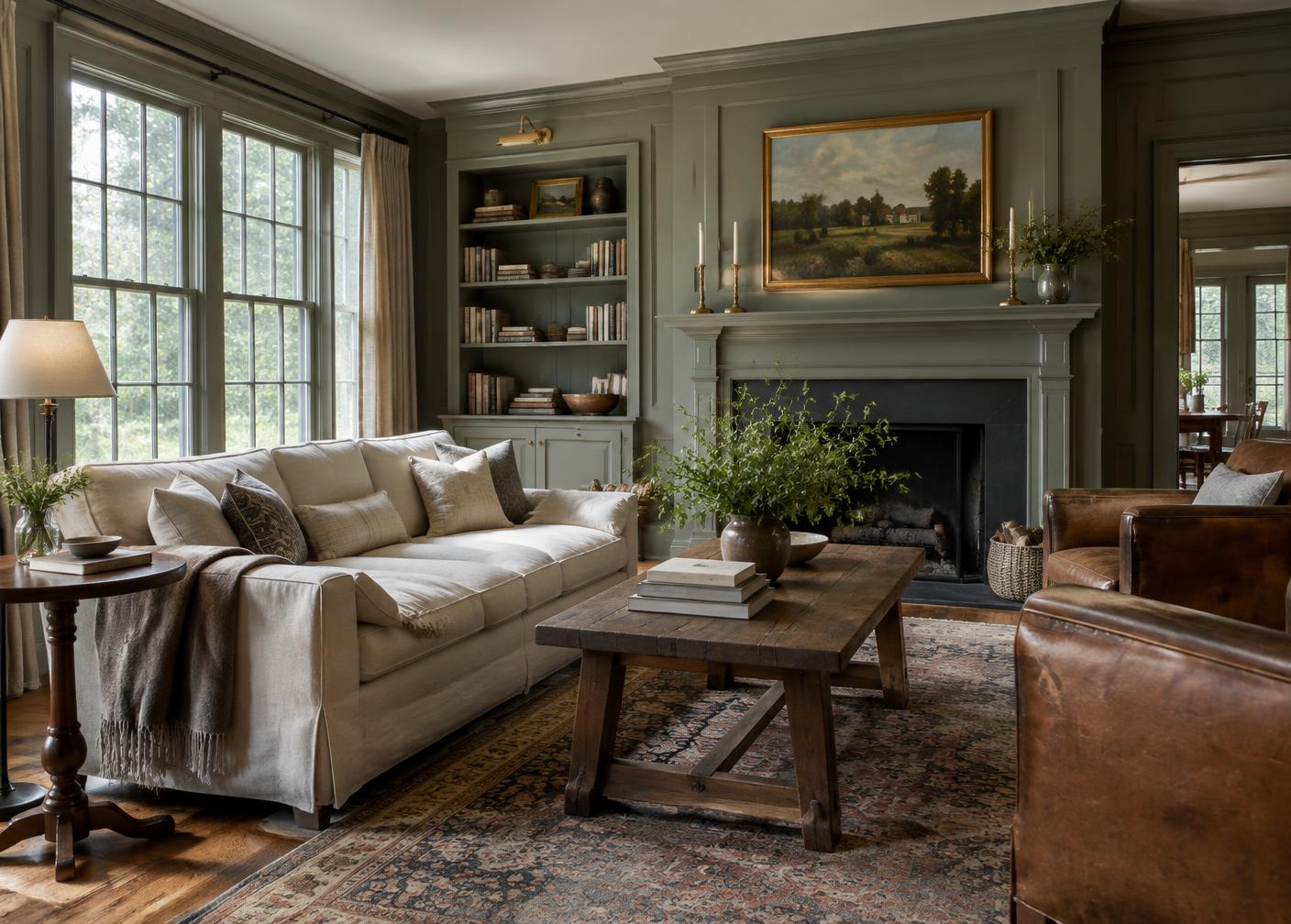
Highland Creek & Moss Creek / Interiors
A successful interior feels connected to the architecture, the light, and the way a household actually lives—not assembled from isolated trends.
At a glance
Cabinetry, lighting, stone, hardware, and furnishings should support one material story.
Established exteriors can pair with fresh, quietly contemporary interiors.
Emerald & Oak Design connects interior architecture, finishes, and furnishings.
The deeper view
Natural wood, honed stone, nuanced paint, tactile textiles, and layered lighting suit the area's leafy setting without resorting to a fixed style formula.
Storage, circulation, durable surfaces, acoustic comfort, and flexible rooms create the foundation for beauty.
Bringing the designer into the process before construction decisions are locked reduces compromise and keeps details coherent.
In practice
Start by measuring the existing rooms, noting natural light and identifying what does not work: storage, circulation, acoustics or a kitchen that is disconnected from the living space. A beautiful finish cannot solve a poor layout on its own.
Decide which selections must be coordinated before building work begins. Cabinet dimensions, appliance clearances, lighting positions and electrical locations influence one another; choosing them independently can create expensive compromises.
For an established Highland Creek or Moss Creek home, consider how new finishes meet existing trim, stairs and exterior character. Request samples in the actual rooms and view them at different times of day before committing to a whole-home palette.
Perspective
Interiors that last tend to start with a few fixed decisions made carefully — layout, cabinetry, flooring and lighting — and leave room for furnishings, art and color to evolve. Investing in the elements that are hardest to change, and choosing them to suit the home's architecture, gives a home a cohesive base that can be refreshed without starting over.
Durability is part of good design. Consider how surfaces will age with children, pets and everyday use, and how they will be cleaned and maintained. Ask for maintenance guidance on stone, wood and textiles before committing, and favor materials that look better with age rather than worse.
Your checklist
Questions & answers
Yes for any renovation that changes cabinetry, lighting or layout. Early decisions prevent costly changes once walls and electrical are set.
Choose a palette and detailing that relate to existing trim, stairs and exterior character rather than updating one room in isolation.
Not always. Lighting, furnishings, window treatments and layout changes can transform a room without structural work.
Keep exploring
Sources and further reading: Highland Creek community · Moss Creek neighborhood · Community school guide. Details may change; confirm at the source.